
I Guess That Explains It
On shared understandings, bright rage, and wanting women

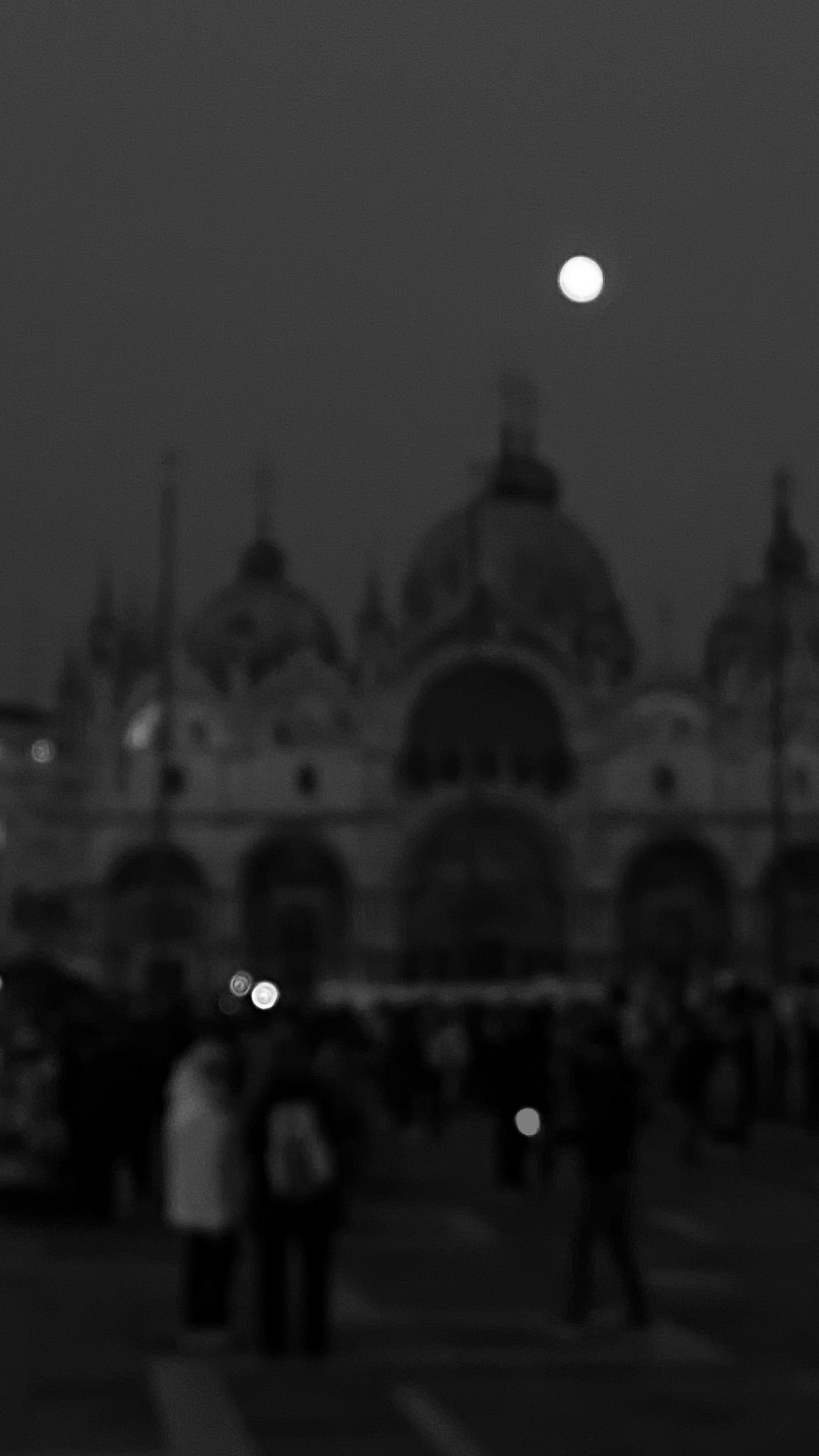
When I arrived at the bar, he was already waiting outside.
By then, the last tinge of daylight was melting into a late September evening. A weightless drizzle had slicked the pavement and painted every surface a shade darker. I, in contrast, was wearing all-white—skirt, denim jacket, t-shirt—flashing down the narrow streets like a ghost, perennially late. He saw me approaching and commented jokingly about my angelical appearance. I gave him a side smile and said he shouldn’t be fooled, but he already knew that. We hugged; we hadn’t seen each other in over a year.
“Inside or outside?” he asked, hinting at the temperamental weather.
"Let’s sit there and people-watch,” I said, pointing at spare table facing the bustling crossroad, which, at that time of the day, hosted a toing and froing of tourists and locals in search of a drink.
When the waitress came to take our order, we asked for a beer. Then, with a flashing glance of understanding, we commented that half-pints were for cowards, or Christian Democrats, and we certainly were neither. “Pint of pale ale,” I said. He chose an amber. The waitress returned minutes later with two large glasses of different colours and a bowl of chips.
We talked about projects and ambitions. I asked him about his new investiture and the reverential and sometimes arbitrary dynamics of academia. He asked me about my housing situation.
”If I don’t find a house by the time my lease is up in January I’ll just move to the mountains,” I said, not even kidding.
”Do you know where?”
”I don’t, but I’ll find something. I’ll spend a few months up there—go for walks, cook wholesome meals, and write. Just like you did two summers ago. Maybe it’ll be my chance to write a second book.”
”The famous second book!”
”Oh, fuck off!” I said, pushing his shoulder. “I have to work for a living, gotta sell my soul to brands for the privilege of living in this very sought-after city.”
”Primum vivere, deinde philosophari,” he smiled.
”Thanks for endorsing my debatable life-path choices with your latinorum; I like your style.”
”You’re a teaser.”
”Maybe I am,” I said cunningly. “Let’s go and see this movie, shall we?”
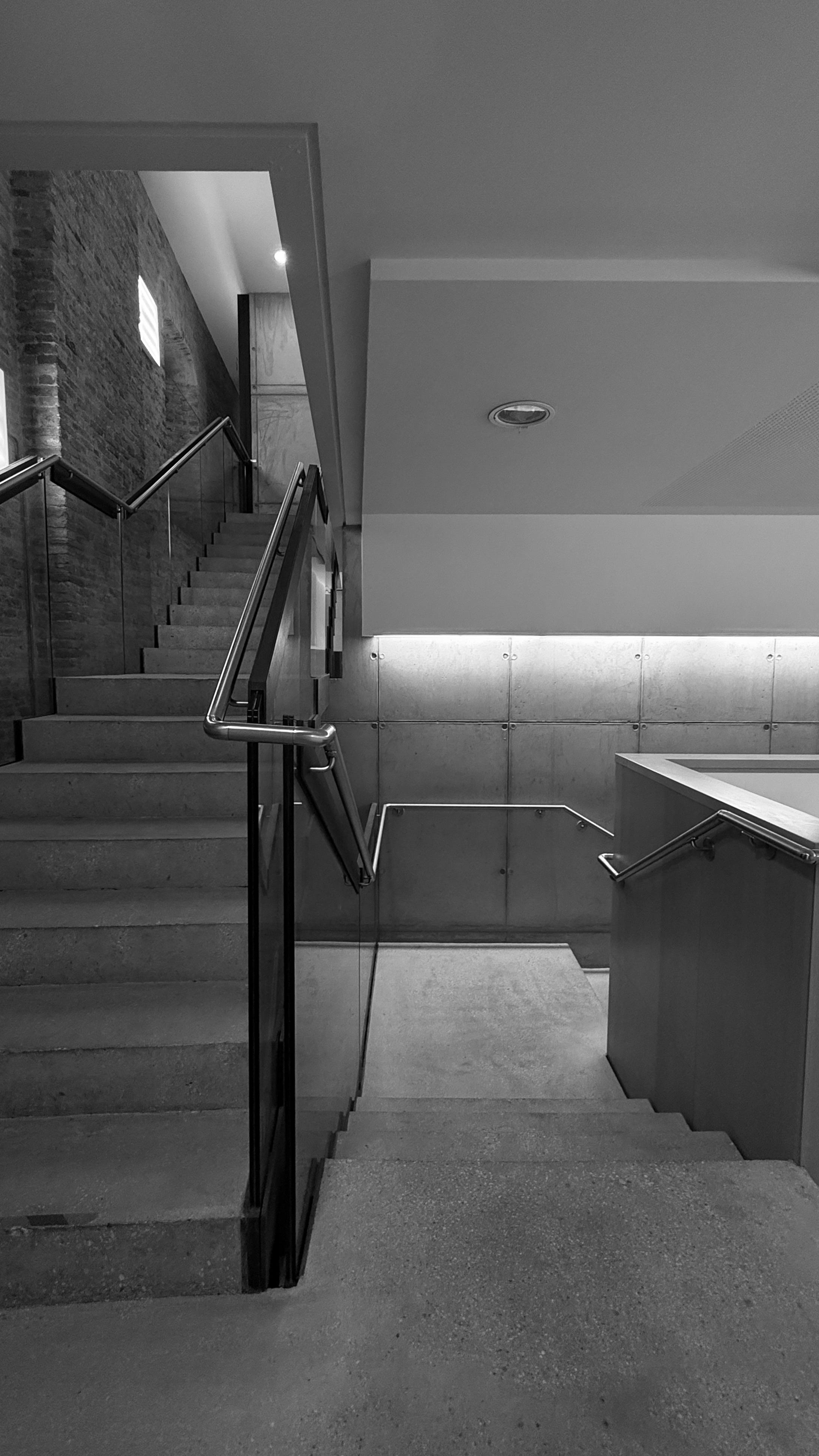
We paid and made our way to the movie theatre through the backstreets that are unbeknownst to most visitors. At the theatre—a brutalist building tucked behind a trafficked artery connecting Rialto with Accademia—we climbed the concrete staircase to the box office. I went to the bathroom and he bought tickets for central seats in the very back.
”I thought I’d remember you prefer them.”
”Sure,” I said. “I brought my glasses.”
”Why don’t you wear them all the time?”
”I’m vain,” I said, as the lights came down and the commercials rolled in.
The movie we were going to watch had been part of an exchange we’d had over text message. He had sent me the trailer, followed by the note: I’m very hyped about this! And I replied that, as it happened, I had recently attended a screening and Q&A with the director, and that I’d found the whole thing very compelling.
This movie, then, was the director’s latest, acclaimed work: a story about Veneto, about the curse and blessing of being born in a region whose landscape—whose very identity, really—had been scarred and consumed by blind profit. On the flip side of this scenario was a life lived by one’s wits, with the quest for one last drink acting as the motor of the story. A fitting, one-sentence review I read somewhere said something along the lines of: It’s as if the Cat and the Fox had taken Pinocchio to a bàcaro tour instead of to the Field of Miracles. Everything about it hit close to home. We decided, as a closing message to that thread of texts, to go and see it together as soon as he’d be back in Venice.
During the screening, he whispered and pointed to a few references: a dive bar named I Biliardi—a once-upon-a-time gathering place for students, late-nighters, and various types of outcasts. A duo band called Laguna Bollente—“the best thing to come out of Venice’s underground scene in the past five years.” Having him there felt like having footnotes you actually wanted to read.
After the movie, eating a falafel sandwich from the only place that’d feed us at eleven p.m., he asked,, seemingly out of the blue, “You didn’t tell me how it’s going with that guy.” He had a half-bemused, half-inquisitive expression that betrayed his sentiment towards the matter.
“Ha, well,” I mumbled, chewing on a piece of shredded cabbage that had fallen off my pita bread pocket.
“Well?”
“It’s not going.”
“I think I could have told you that,” he said, biting into his own sandwich, smirking. “Pretty much the instant you shared that first piece of information. What I find fascinating is that you felt the urge to discuss the matter with me. Or at least make me aware of it.”
“You are the only person who could have laughed at that specific joke. You know which one—the satire about TV sales and paintings. No one else in the group chat did. Surely not him.”
“I guess that explains it.”
“Explains what?”
“Nothing,” he said, still smiling. “I guess you’ll just pick better next time.”
“Oh yeah?”
“Yes. And with that… I mean you’ll pick me.”
Hours later, in a different setting, he told me I seemed like the sort of person who always got what she wanted. Actually, no. He said, “Whatever you want, you take.”
I kept tossing and turning those words over—that night, after he left. The next day. And the day after that. I thought about how much more self-assured I must have looked to someone who wasn’t me.
Did I actually know what I wanted?
From him, I wanted the ease of a shared identity—of being known like that, of returning to a version of myself where fewer things need explaining, or negotiating, or even expressing. We were like two sets that largely intersected.
But what else?
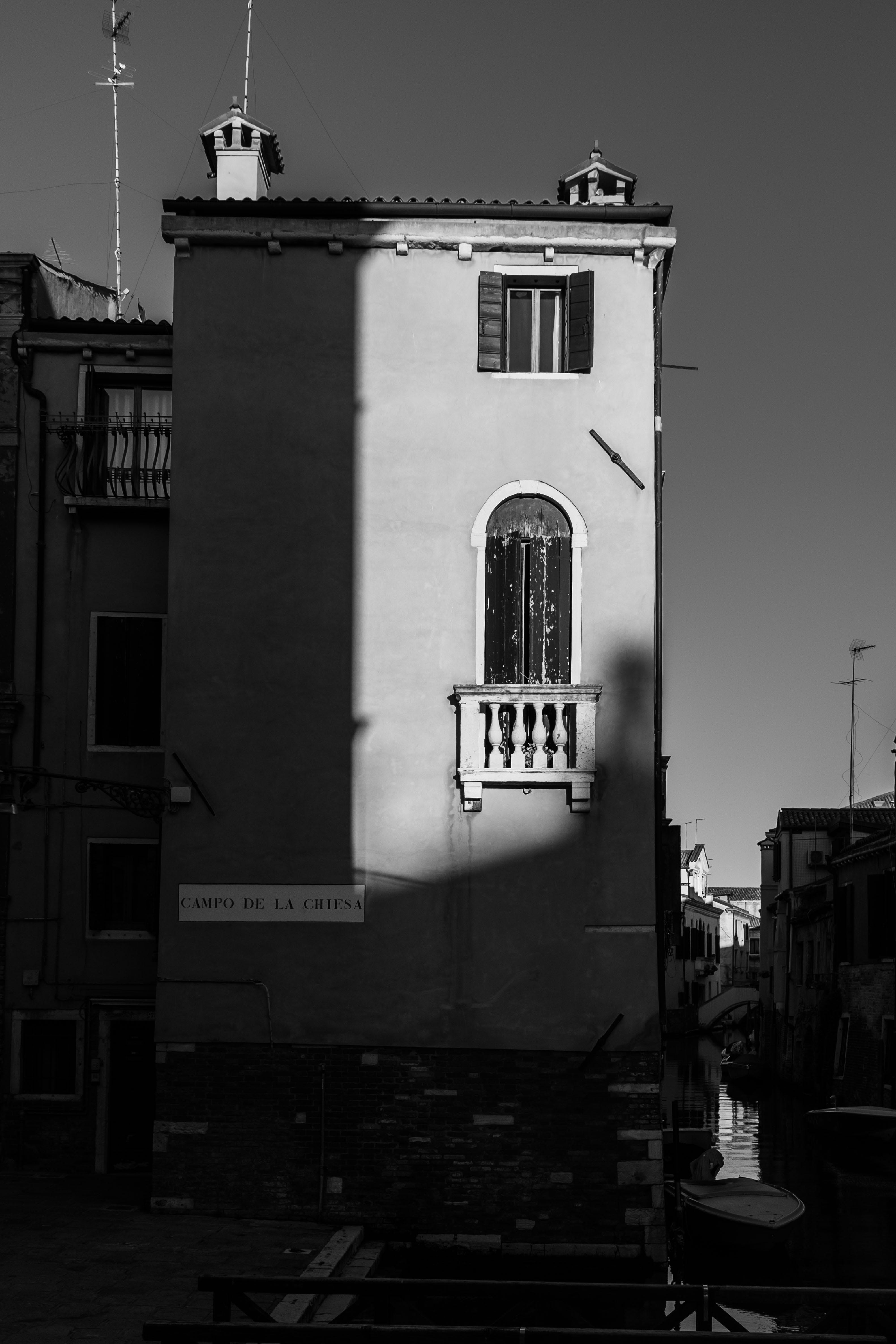
For weeks, I had been wanting to shed some skin—a leather-like layer that had grown hard and uncomfortable. A sort of straightjacket, blocking my movement, making me live as if on autopilot, deprived of agency. Pushed and pulled, canalised and directed against my very nature, my very will, day after day. Call it necessity. Call it addiction—to a certain way of life, to habits, to routine, to a thought process that becomes a prison.
Incidentally, this need to shed some skin coincided with the end of summer. It also coincided with a quiet hum, as a dear friend called it, which I, for my part, perceived more as restlessness and bright, burning, all-consuming rage. Rage at the state of the world at large, at the unbelievable injustices we were allowing to happen. But also, on a granular level, at the infuriating apathy that surrounded me, and at the solitude that this permanent, rebellious enragement provoked.
And again, at an even more atomised level, I was furious at how I let some people treat me for months, and still do, for reasons unknown to me given the numerous benefits of the doubt. Furious at kindness and time wasted. Furious at the housing crisis in Venice, at the greed and carelessness surrounding it, at the unfairness of certain late-capitalism dynamics.
“You need to find an outlet for all this energy,” my therapist told me.
“Everything bothers me except the blank page and taking the streets and being with my people. The triviality of business as usual hurts my nerves. Nothing has meaning within this immense vacuum of sense and value we’ve been bobbing in for way too long. There is nothing more important and urgent than regaining a sense of reality, alone and communally,” I told her.
Is that what I wanted?
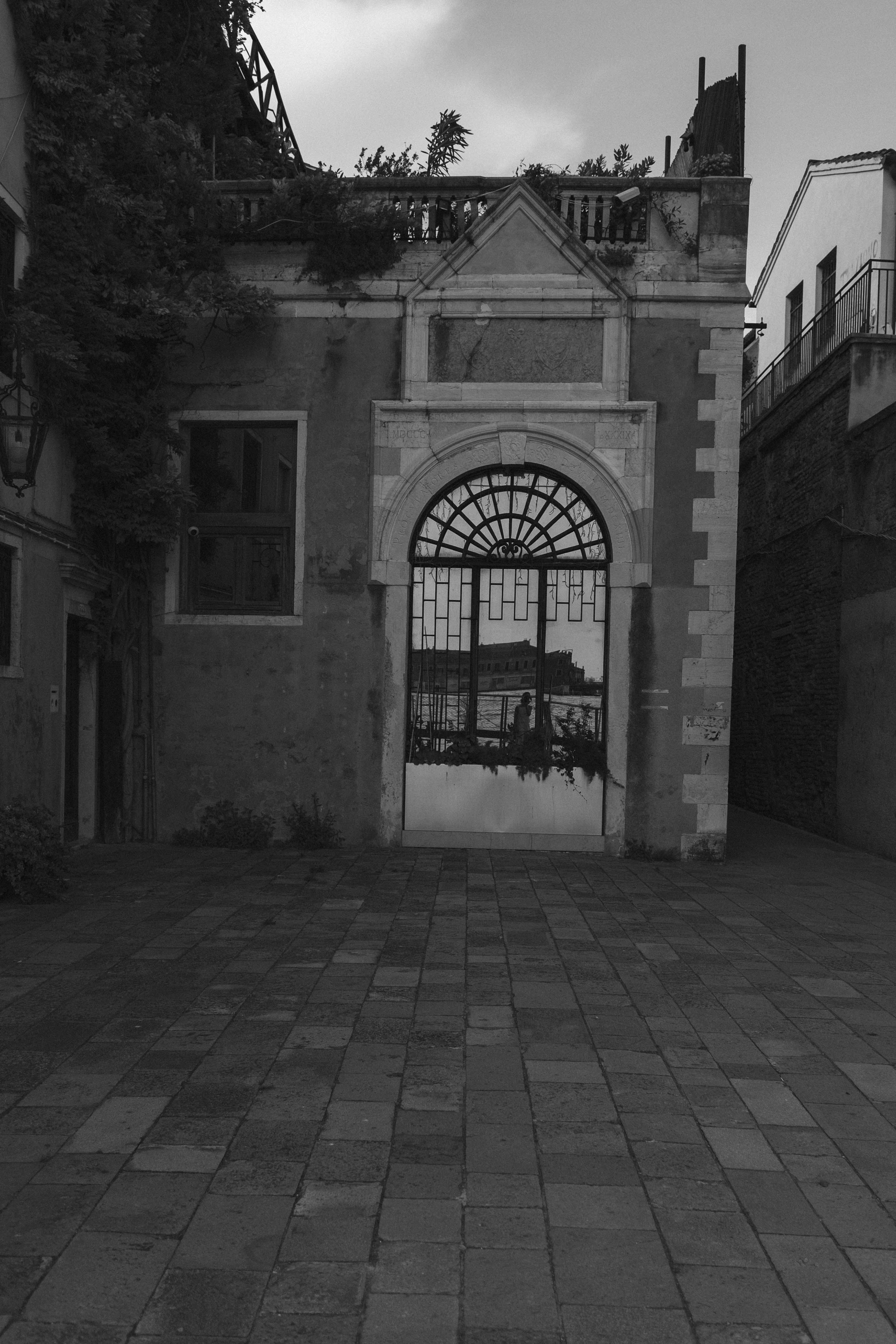
This week, walking down the street, I stopped to check my face in the reflection offered by a shop window and realised my smile lines had gotten deeper. Instead of accounting for the fact I’m turning 38 in a few days, these were the sharp thoughts that darted through the edge of my consciousness.
Being a people pleaser gave me wrinkles. Marked my face. What with all the niceties that were not necessary. Smiling, smiling, smiling. Smoothing sharp edges. Removing friction. And for what? Smile lines. Crows’ feet.
I was on my way to a real estate agent’s office to discuss the details of a property I thought I could buy. I was ready to make an offer. A reasonable offer from someone who has to take out a loan to buy things like, well, a house in Venice. This, I came to learn, is seen as a sign of weakness in this city of square-metre-eating sharks. It has never been more apparent than in the last couple of months how being someone like me is seen as entirely despicable in the local real estate market.
When I arrived, I was sat down in a neon-lit room with sliding doors and received a very convoluted speech: I was free to make an offer, and the seller was free to accept it, but because I needed a mortgage, the property would remain on the market in case a “better” buyer emerged in the meantime. I said this was unethical, not to mention illegal; that it was the first time I’d heard such a thing. The agent carried on with his word salad, and I ended up walking away with the sick feeling of having been gaslit by a small man, and not for the first time that week.
“What are you going to do?” a friend asked me when I told her about this surreal exchange.
“I love the house, I hate the people. The idea of giving them my money makes me want to dig my eyes out.”
“If this last lead doesn’t work out, I think you should really consider spending a few months away. Take a break. You’ll end up hating this city otherwise — and you’ll be right to.”
“I feel beaten, that’s all.”
”Undeservingly so.”
That same afternoon, I sent an email dense with legalese and assertiveness to the real estate agent. I suspect they’ll sell the house to someone else. I, for my part, will just earn one more wrinkle for my trouble. At least I got to say everything I needed to say to that small man and get it off my chest.
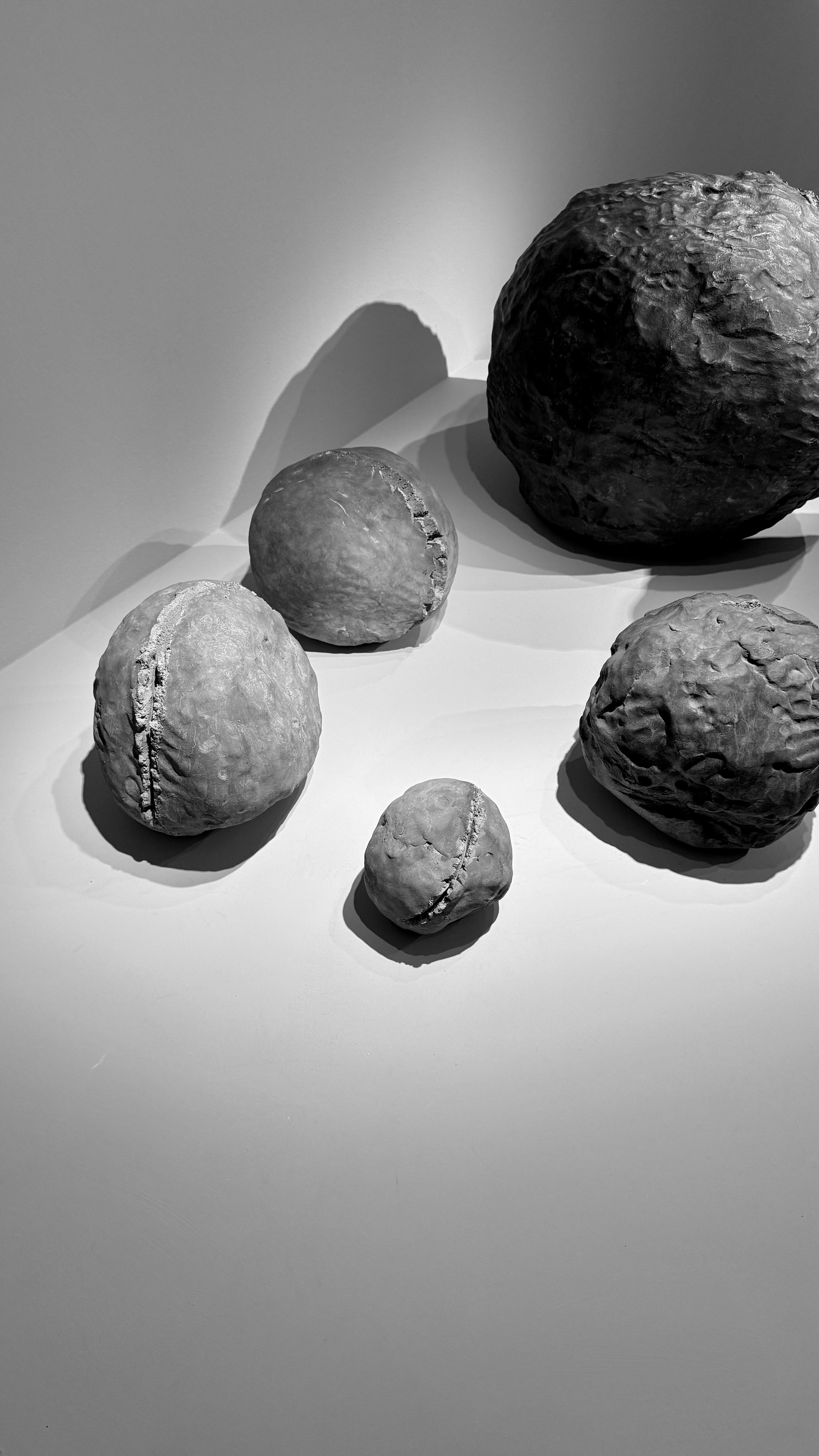
A new exhibit opened at the Peggy Guggenheim last week—a one-of-a-kind showcase of Lucio Fontana’s ceramics, with artworks spanning his entire career, from the figurative pieces of his early years to his more famous and abstract Spatial Concepts.
On a sunny day bursting with bright yellow leaves, I walked across the Accademia Bridge and up to the terrace of PG’s Palazzo to attend the press preview. Downstairs, inside the exhibit, I spent an hour staring at the series of Crucifixes, mesmerised by the ragged edges of the crosses and the bodies of Christ—each a different shade, each at a different level of transfiguration.
The Battles, too, caught my attention: a display of dynamism and bottled-up drama. The curatorial texts noted how, unable to resolve them in their belligerent form, Fontana turned them into performances, or better yet, dances. I thought of the previous weekend then: it had been a battle that turned into a dance as we took to the streets and blocked the bridge that links Venice to the mainland. Twenty thousand people marching, shouting, throwing their bodies into the protest—asking for justice, for freedom.
At one point, over that peacefully sieged bridge, the music began. A charismatic folk song echoed down the tail end of the march. A friend and I—both feeling that quiet hum, that bright rage bubbling up—started moving, singing, jumping in a vital attempt to release that energy.
We were battling, and we were dancing. We were tired—tired of the ephemeral of social media, of the verbal wars we’d been entertaining, of the complacent silences surrounding us. All we wanted was to shout at the top of our lungs, to sing a song that said we were daughters of the storm, women [“of nothing”] who wanted it all.
Who wanted it all.
Your writing, full of insight, self-awareness, slow emotions and descriptive moods moves me. It is like a delicate finger poking my heart and tapping on my mind. Thank you.
Beautifully written, deeply moving and always essential reading