
Taking Care
On postcards, Sophie Calle, and the blurry line between fiction and reality

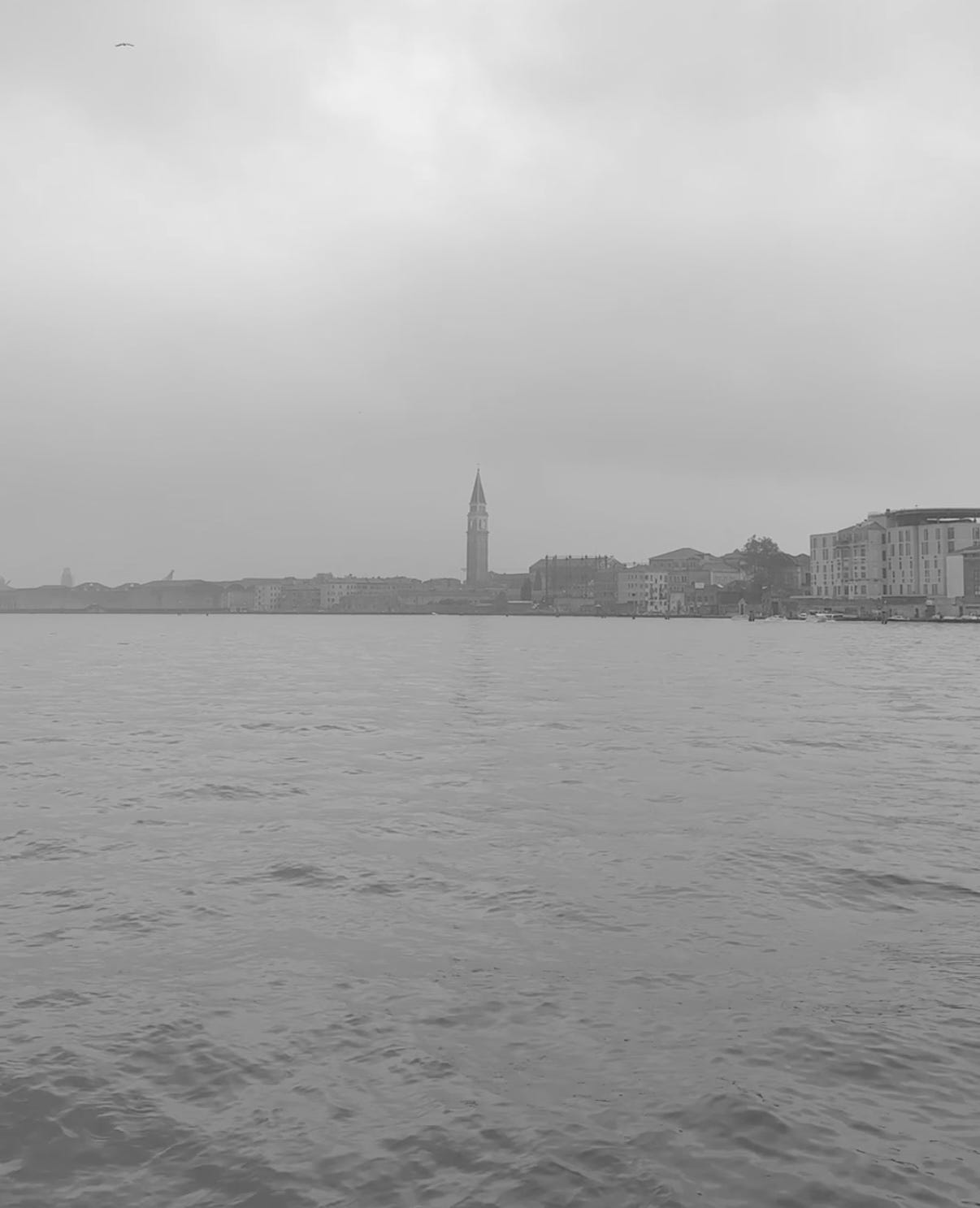
By the time I discovered I had thrown part of a friend’s present into the trash, it was already too late: the bags containing the remnants of my birthday gifting—scraps of wrapping paper, collapsed boxes—had been taken down and collected. Phone in hand, messages of consternation flashing up my screen, I stuck my head out of the window to see whether there was still hope, but no: the calle had been cleared, the voices of the spazzini echoing in the distance, gone. In the back of my mind, I could picture the trash boat leaving its mooring and departing in the direction of Tronchetto, my friend’s present sitting at the bottom of its belly, half-digested.
I would never have known, had my friend not texted me to ask my impressions. It was soon revealed that the present in question was a postcard. Apparently, it had been wrapped in the same tissue paper enveloping what I thought was the actual present—a book. With my bad eyesight as a contributing factor, I simply thought it was all part of the same wrapping and crumpled it. Instead, my friend wrote, in between laugh-crying emojis, the postcard was the actual present. “It’s ok,” she said. “If you come tomorrow, we’ll find a solution.”
The next day, sitting side by side on the office sofa, she took out a box set that bore Sophie Calle’s name on it. The postcard I had accidentally tossed, she said, was part of this collection: a compendium of Calle’s artistic production spanning photography, writing, and filmmaking, all condensed into one hundred postcards. “Anytime I need to gather some inspiration, I take the box off the bookshelf and start flipping through it. On special occasions, I give one away to people I know would enjoy receiving it. I had found a card for you that was particularly à propos. Here.”
She handed me an envelope containing a handwritten card in a beautifully slender calligraphy, and a folded sheet of paper. I opened it. Half of it bore a printed image of a perfectly manicured hedge and a half-concealed human figure holding a white sheet of paper. Next to it was a text.
March 17, 2016
I received an email telling me it was over.
I didn’t know how to respond.
It was almost as if it hadn’t been meant for me.
It ended with the words, “Take care of yourself.”
And so I did.
I asked 107 women (including two made from wood and one with feathers), chosen for their profession or skills, to interpret this letter.
To analyze it, comment on it, dance it, sing it.
Dissect it. Exhaust it. Understand it for me.
Answer for me.
It was a way of taking the time to break up.
A way of taking care of myself.
I lifted my gaze to a smile that said all there was to say. “So, this is the card I had picked for you…it was very you. But no matter.”
She opened the box set and took out all the postcards and, with a swift gesture, fanned them out and held them in front of me. “Fish a new one.” I said I couldn’t possibly. “Go on. I’m curious to see which card will find its way to you. Mine wasn’t destined for you, clearly. So let’s see.”
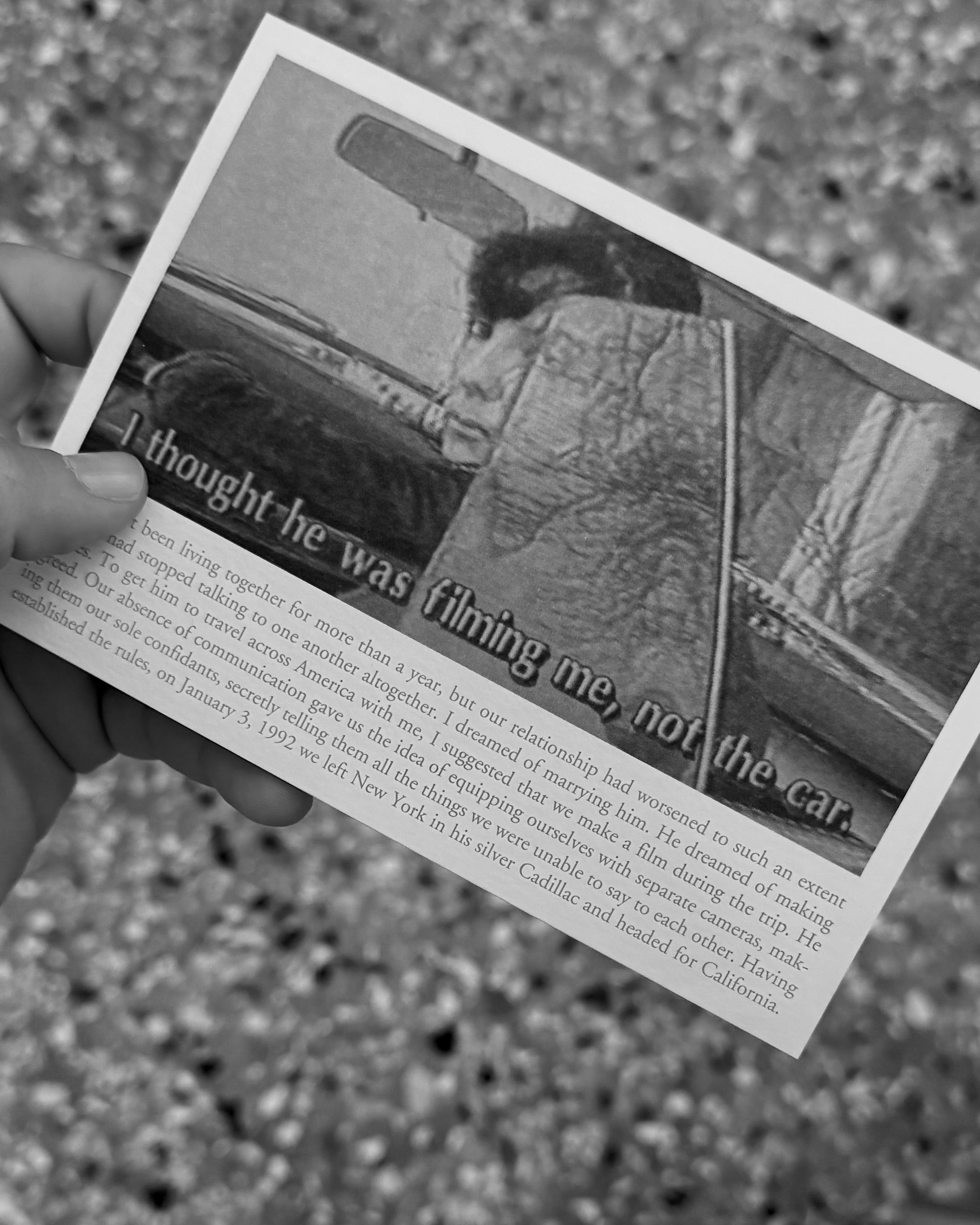
I pulled one out of the left-hand side of the deck. The front had a photo of a younger Sophie Calle: dark hair, stark, piercing eyes over serrated, thin lips. She was sitting in a car, her bust facing the glove compartment, her head turned to stare straight into the camera. She looked incredibly sad. Overlaid, a sentence read: I thought he was filming me, not the car.
Then, right underneath it, in red ink:
We hadn’t been living together for more than a year, but our relationship had worsened to such an extent that we had stopped talking to one another altogether. I dreamed of marrying him. He dreamed of making movies. To get him to travel across America with me, I suggested that we make a film during the trip. He agreed. Our absence of communication gave us the idea of equipping ourselves with separate cameras, making them the sole confidantes of our respective frustrations and secretly telling them all the things we were unable to say to each other. Having established the rules, on january 3, 1992 we left New York in his silver Cadillac and Headed for California.
The back of the postcard carried the name of the project and their authors: Sophie Calle and Greg Shephard, No Sex Last Night, 1992.
That evening, I went online to research both projects.
The first, Take Care of Yourself, was presented at the French Pavilion in the 2007 Venice Biennale. It is, in her words, a “tour de force of feminine responses… executed in a wild range of media.” A profound examination of women’s reactions, interpretations, and restitutions of that breakup email through various lenses, from anthropology to opera; an investigation of heartache, gender, and the potential of human emotions.
I went to find the email that ignited the project. The familiarity of it twisted my stomach. At some point, the author writes: “I have never lied to you and I do not intend to start lying now.” I wondered, reading this passage whether a common denominator exists in certain people—like a chip, a shared DNA fragment, or a combination of biochemical factors—that produces the same sentences, the same strings of words, the same delusions.
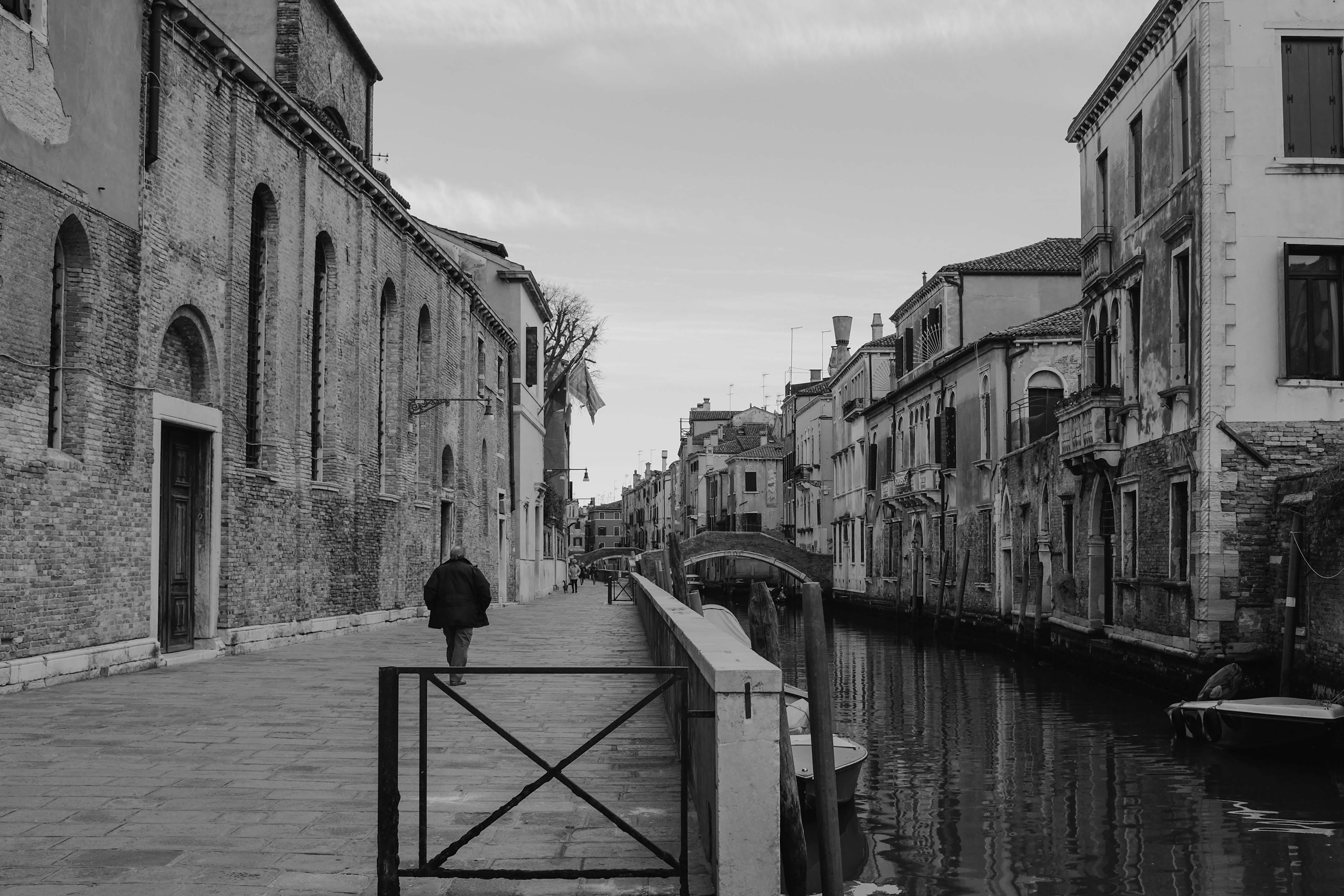
For days afterwards, I thought about the breakup letter and about Calle’s impulse to take her grief elsewhere—to strangers, to the public, or, better still, to the very heart of one of the most transformative spaces she knew: the space occupied by other women. To make it live outside the private and the personal. To exorcise it, see it lucidly, live it as if it were an out-of-body experience, and, through this practice, cast it as universal—a shared, unifying event. She handed the letter over, sat back, and watched her experience unravel and become something else. “The parameters were fixed. For example, I wanted the grammarian to speak about grammar—I wanted to play with the dryness of professional vocabulary. I didn’t want the women expressing sentiment for me,” she said in an interview.
What did I do with my grief? Where did I take it? I took it to other women, to the beach, to the mountains, to the paths I walked, to parties, to the streets, to the page. I threw it to the wind, screamed it at the top of my lungs.
Perhaps I will take it to the page more.
Transform it, be transformed by it, create from it.
Dance it, sing it. Dissect it. Exhaust it.
Hand it over.
“Don’t write about me,” he said back in March.
We were in his kitchen, drinking white wine, talking as we did every night, with no purpose other than to be in each other’s presence. He was smoking, his hand shaking, his smile unusually coy—he was always so defiant, so self-assured—his eyes concealed behind the blue sunglasses he often wore indoors, or at night.
I couldn’t tell whether he meant it: if he was afraid I’d reveal something, or if he was just being falsely modest and, in fact, secretly flattered by the idea of being crystallised on the page.
“What are you worried about?”
He smiled and remained silent.
We hadn’t had dinner yet. Soon, I’d get up and start cooking, and he’d put on some music, and come to reclaim repeated tenderness—“Give me a kiss!” he’d whisper, clinging to my hips—as I moved from the stove to the counter, slicing, stirring.
He said it again—“Don’t write about me”—as we were lying on the beach in June, still wet from the swim we’d taken in turns, watching our bodies walk towards the water and back, suddenly distant.
As with most activities that didn’t involve sitting at a bar, a restaurant, his dining table, he had come reluctantly. It was a favour, he said half-jokingly, to repay me for spending the morning watching the end of a TV series with him. And while I had no reason not to believe him, I still felt like it was a small victory in an invisible war I was fighting—against whom, I wasn’t sure; a minuscule sign of hope.
He was looking at his phone when I brought up Domenico Starnone, who had a short story in the magazine I was leafing through. “Some people think he is Elena Ferrante,” I said. “Even though I find it hard to believe a man can write such compelling female characters.”
“For someone so intelligent, you often fall victim to the rigidity of your views,” he said. Then, looking toward the water, he added, “Please don’t write about me.”
He was wearing a different smile now—resigned, as if aware not just about the inevitability of this prospect, but of the fact that it wasn’t going to be flattering after all.
“I don’t know,” I said, smirking. “Sooner or later, you might just get entangled in one of my stories. The thing is, I don’t know if there’s enough substance to sketch out a fully formed character.”
“What do you mean?” he snapped. “Are you saying that I’m not a fully formed character?”
“Oh, I see! So now you do want me to write about you!”
He didn’t reply but pushed my shoulder playfully, and I surrendered to his strength, falling to the side, giggling.
We played hangman and arm wrestled. We drank beer facing a pastel-pink sky freed of clouds, and walked along the promenade flanking the beach and down the tree-lined avenue, stopping mid-step to pull each other near and kiss. On the boat ride back, I leaned my head on his shoulder and he caressed my head and my heart made a cracking noise inaudible to anyone but me.
I didn’t tell him then, but from that very morning, a story had started to write itself in my head—the sentences flooding in, breaking the banks of my consciousness.
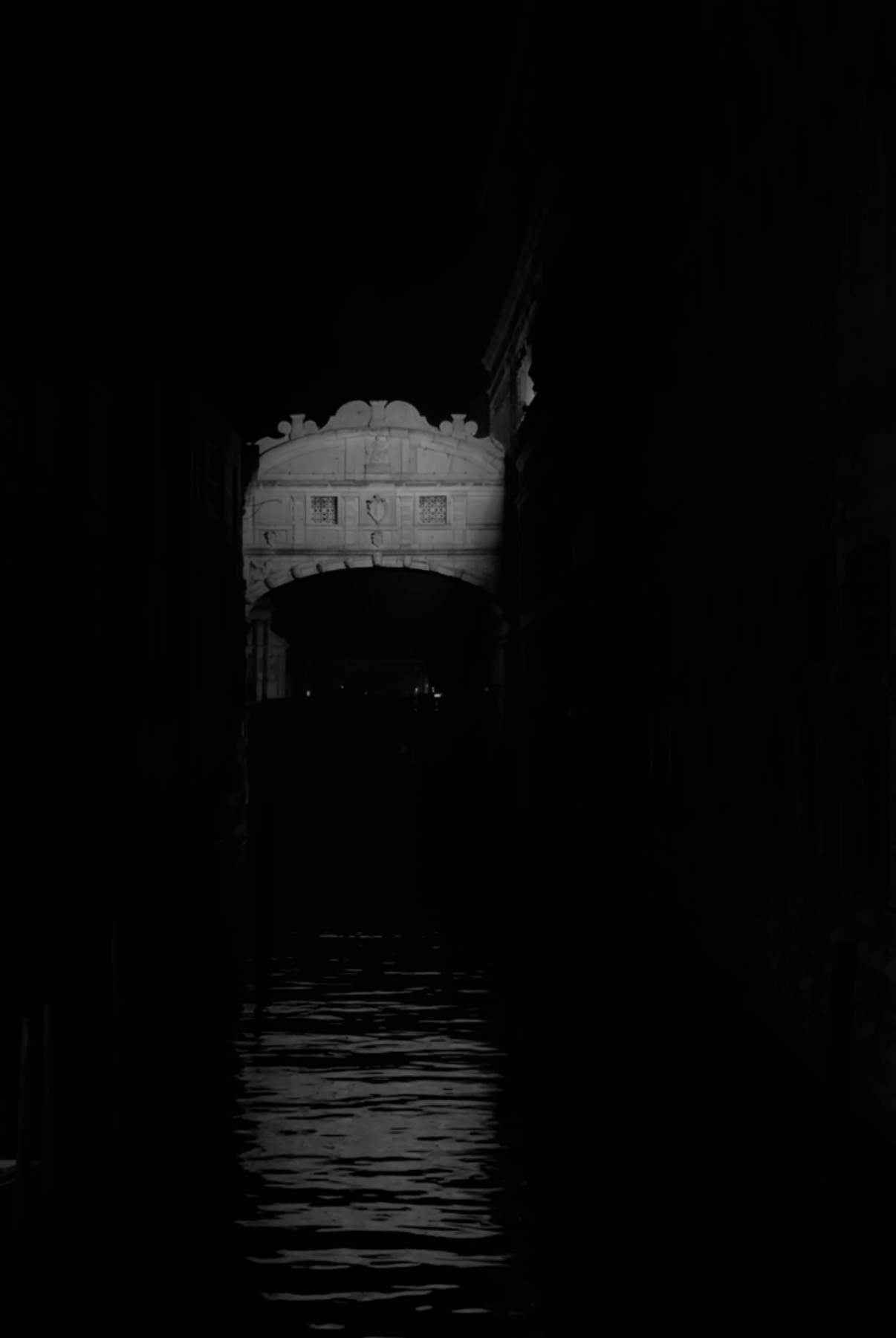
I closed the tabs on Take Care of Yourself and began researching No Sex Last Night, the project on the postcard I had randomly picked. Search results showed it was a film—as it turns out, Sophie’s first video project, which she undertook with her then-partner Greg Shephard, a photographer.
The film resulted from footage collected during a road trip Sophie and Greg embarked on, driving from New York to San Francisco in Greg’s old Cadillac. Each armed with a camera, which they sometimes pointed at each other but more often used as a private confidant, they recorded their respective thoughts during their journey; yet what comes through with devastating potency is their insurmountable incommunicability—the mismatch in their needs, desires, preoccupations, feelings. Watching it, I felt an unsettling and reassuring sense of deja-vu, with Calle’s contradictions between her wants, her words, and her actions feeling at home in my head.
Three times I paused the film to take notice.
The first, when Greg says, “The problem is, I need her too much to like her. At least I know that much.” The second, when Sophie says, “Why are we here? Walking on the beach is for lovers.” The third, when a billboard on a building they drive past reads, Swallowing pride never choked anyone.
Still, she married him in Vegas. It was her idea. He said no first, then he said yes. It could never end well. But they made a beautiful thing out of it.
That night, reading Sophie Calle’s Wikipedia page, I discovered she is also a Libra, born on October 9. I wonder if she, too, has ever received not a beautiful postcard, not a second one, not the gift of one’s presence, or the sound of clinking glasses, or a tray of pastries, or a shot of tequila, or a bunch of flowers, or a hug, or a pizza late at night after too many bottles of wine, but a one-line message—and still thought it was all worth her while.
I suspect we have similar star alignments, inclinations, weaknesses.
Serendipitously, the two postcards my friend gave me hadn’t been the first instance in recent times when I had intercepted Sophie’s work.
A cultural project I have been working on, which involved archive research on a series of guestbooks and documents for a family of Venetian hoteliers, plus curation and restitution in the form of an exhibition (with illustrated postcards as one of the outputs emerging from this work of treasure-trove and valorisation), led me to her photographic book, The Hotel. Apparently, she photographed the book while embedding as a maid in one of the family’s hotels, reporting on the possessions of guests with an ethnographic eye.
In a piece that appeared in the New Yorker a few years ago, Lili Owen Rowlands writes:
“In the four decades since “The Hotel” first appeared, the imprint has remained Calle’s preferred form; she uses the negative space where someone has been to discern their outline, like a painter whose sitters have got up and left.”
She continues:
”Yet, as The Hotel vividly shows, what Calle is really looking for is more enigmatic and compelling than other people’s dirty laundry. Rather than erase the residue of human presence, as a “real” maid is expected to, Calle does the opposite, preserving every stain and scrap as a sign or symbol. But of what? This is the question at the heart of Calle’s work, and the answer may hardly be the point; what interests her most is the seduction and projection involved in knowing another person—how fantasy intervenes in every attempt to see and be seen.”
In an interview after the book was published, Calle admitted that everything we see in The Hotel is true, except for one room, which she staged with everything she wished she had found in there. She doesn’t say which one, though. But, through this gesture, she sends the reader / viewer into a quest to discern what’s real and what isn’t. She casts a veil of doubt and still, lets us know that everything we see is often nothing more than what we wish to see.
But also, that the line between fiction and non-fiction, memoir and auto-fiction is so often blurred.
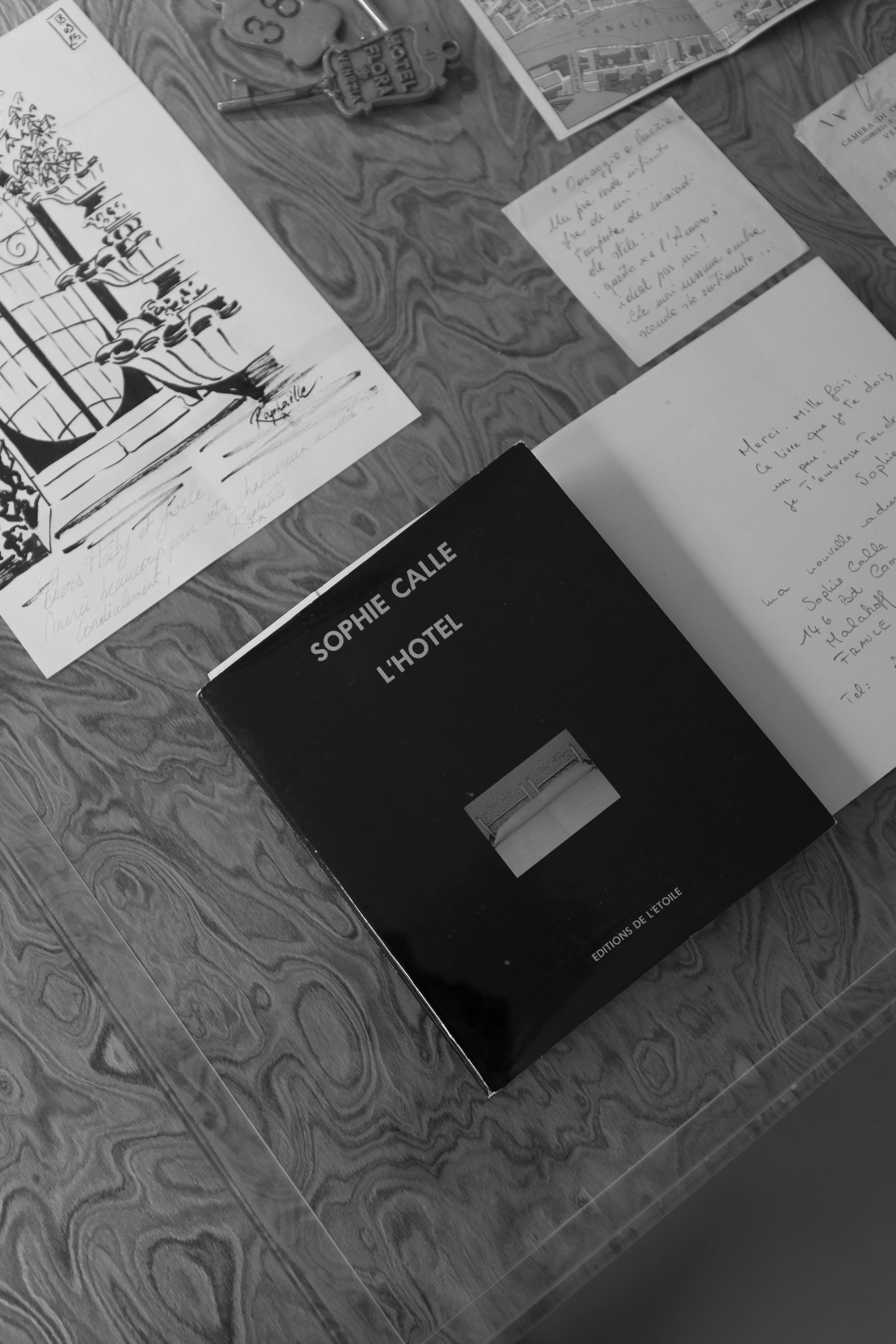
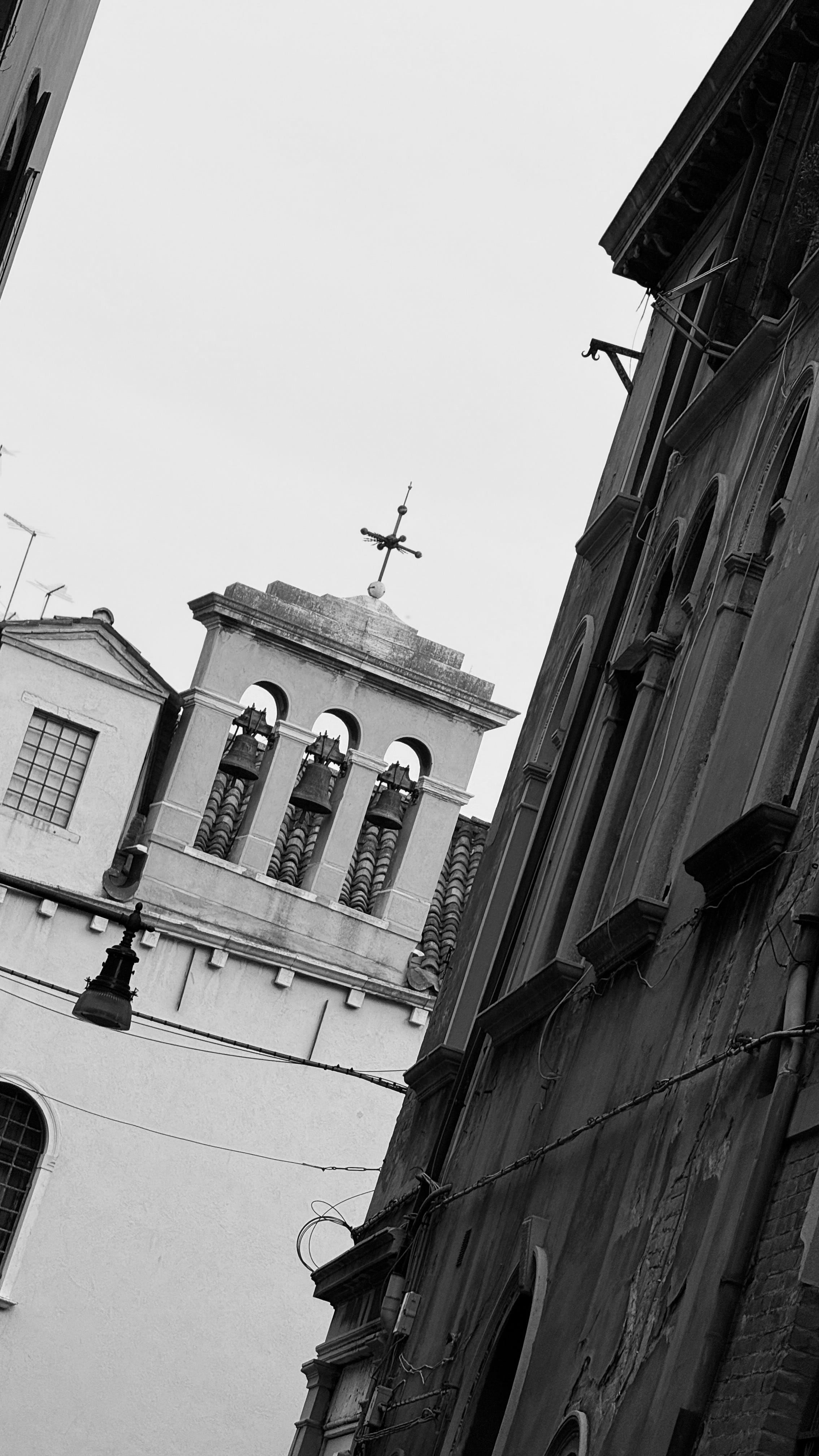
The launch of the archive project I worked on turned into a beautiful evening that showed how different groups of people can come together and gather around a space, an idea, a vision of how we’d like this city to look and what we’d like it to bring forth. The short version of it is depth. Within it, there is beauty, and meaning, and value, and exchange, and community.
I walked out of the space that night, clacking the block heels of my boots so fast I thought the momentum might make me detach from solid ground—that I would start flying. I joined a group of friends who had left the party early to catch last call at a Chinese restaurant on the main street. When I arrived, they were waiting for some doggie bags to take home whatever was left of their fried chicken and dumplings.
“Here,” said a friend, moving over so I could collapse on a chair. “Finish this beer.” I was elated and exhausted at once, surfing that exact moment when the adrenaline of a climaxing event evaporates from your body and leaves you high and unable to move. I took a big sip of icy beer that went straight to my head.
Soon, a round of fortune cookies arrived at the table—one for me, too. I unwrapped the golden wrapper and broke the half-moon wafer into two perfect halves, revealing the strip of paper inside it. The message read, “You worked very hard, and now your efforts will be rewarded.”
“You didn’t invite me,” he said a few days after the project launch, sitting in front of a pizza neither of us wanted to eat.
“I didn’t,” I said, staring straight into his vacant eyes, wondering why we were still there. “It didn’t seem sensible, would you agree? Not after everything.”
“Whatever you think, I’m OK with. How did it go?”
“It went great!” I said, sincerely.
“Are you happy?” he asked in rapid sequence, almost as if he hadn’t listened to my previous remark, or didn’t fully believe it.
I hesitated. So he asked again, searching for my gaze as it drifted across the room.
“Are you happy?”
“I am,” I smiled. I was, wasn’t I?
“Was everybody you wanted there?”
“Yes. It’s been incredibly special to bring it together; it’s one of the most fulfilling things I’ve worked on in recent times.”
He was smiling, though it was hard to know if it meant he was pleased for me.
“I saw you wrote about me,” he said after a few seconds, picking at a slice of prosciutto.
“Where?”
“You know where.”
“Well…”
“Is that all there is?”
“No, actually, it isn’t. There’s a short story.”
“I see.”
“No one’s going to publish it anyway, so you’re safe. Plus it’s fiction,” I said, making a quote-unquote, bunny-ears gesture with my fingers.
As I am typing this, the month of November has just turned the corner and gone out of sight. It’s been one of the most luminous autumns I can recall—clear, bright days and slices of blue sky, sharp snow-peaked mountains poking through the tips of the cypresses on San Michele island. Sun that burns through the haze. No wind.
I go online to read more about Calle’s No Sex Last Night so I can write about it. In a piece of criticism, I read:
“...Calle’s continual refrain, ‘No sex last night,’ becomes a sort of running joke that also harbors profound heartbreak. [...] Yet, the project is the product of sincerity, as heard in Calle and Shephard’s brutally honest remarks about one another [...]. Both a collection of doleful confessions and sharp comments about the nature of a relationship, it is a great reminder that love is more than a four-letter word.”
I open WhatsApp and scroll back to our last exchange of messages—an attempt to place a full stop.
My last words read: “See you around. Take care.”
His read: “See you around.”
We did see each other around. But there was no taking care—least of all of ourselves.
Was there that other four-letter word?
We’ll forever have to wonder.
Just like that first postcard, swallowed by the trash boat—headed, who knows, for recycling. Or sitting somewhere in the depths of the lagoon.
What a beautiful read Valeria, thank you
Beautiful